


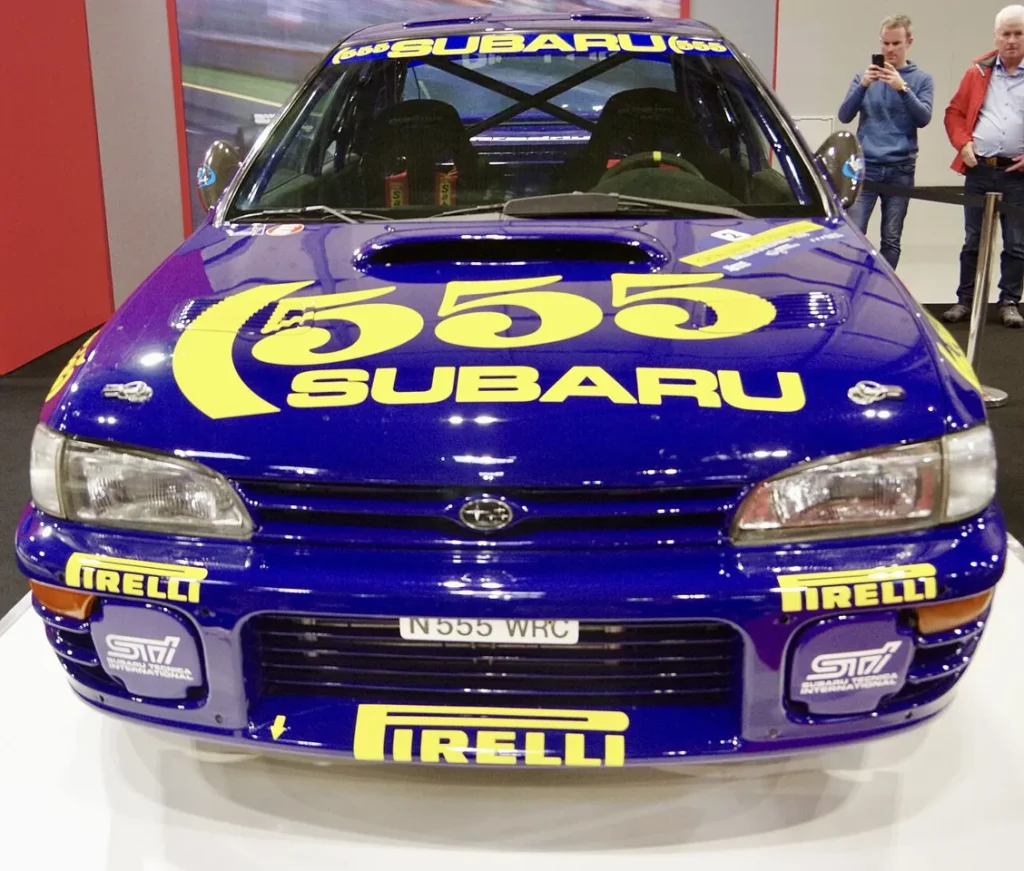
Strict Allocations Limit On-Stage Flexibility
In modern World Rally Championship competition, tire selection is not an open buffet of compounds, but an exercise in managing a strictly limited quota across an entire weekend. Before cars tackle competitive stages, every four-wheel-drive entry must draw from a fixed set of rubber supplied by the championship partner, Hankook for 2026. Teams cannot simply swap tires freely whenever conditions shift or a compound wears prematurely, making each service departure a high-stakes calculation about road degradation and weather risk.
Scrutineers monitor these limits at designated check stations positioned at the exits of service parks, Remote Service Zones, and Tyre Fitting Zones. Having the technical framework of WRC tyre marking explained reveals why teams deliberate so intensely over their spare packages: handheld scanners log embedded RFID tags and unique barcodes to guarantee that only the specific rubber registered to that entry leaves the service area.
Managing Spares and Loop Trade-Offs
Strategic discipline extends onto the road sections between competitive tests. Regulations mandate that complete wheels may only be mounted or dismounted within official service parks or authorized tire fitting zones. Any spare wheels loaded onto the car at service must remain onboard until the next permitted work zone, directly forcing crews to balance the safety net of carrying extra spares against the unwanted vehicle weight across consecutive stages.
Officials enforce these rules through random conformity checks throughout the route, alongside tire manufacturer technicians who monitor compound condition at stage stop controls. While teams are permitted to use non-registered tread patterns from the supplier on transit road liaisons, any unauthorized compound fitted during a special stage leads to immediate steward reports and sporting penalties, ensuring that pace on the road reflects tactical allocation management over the entire rally distance.
Official reference: https://www.fia.com/system/files/documents/wrc_2026_sr_version_13_january_2026.pdf.
0 comments:
Post a Comment