


Managing Rider Adjustments and Setup Goals
Bringing a replacement rider into a Grand Prix fundamentally shifts a garage's technical roadmap for the weekend. When injury sidelines a regular competitor, the team cannot rely on pre-established baselines or fine-tune existing setups for marginal race-pace gains. Instead, initial practice sessions must be dedicated to basic ergonomic adaptations, baseline electronic calibrations, and finding a workable balance that suits a substitute's distinct riding style.
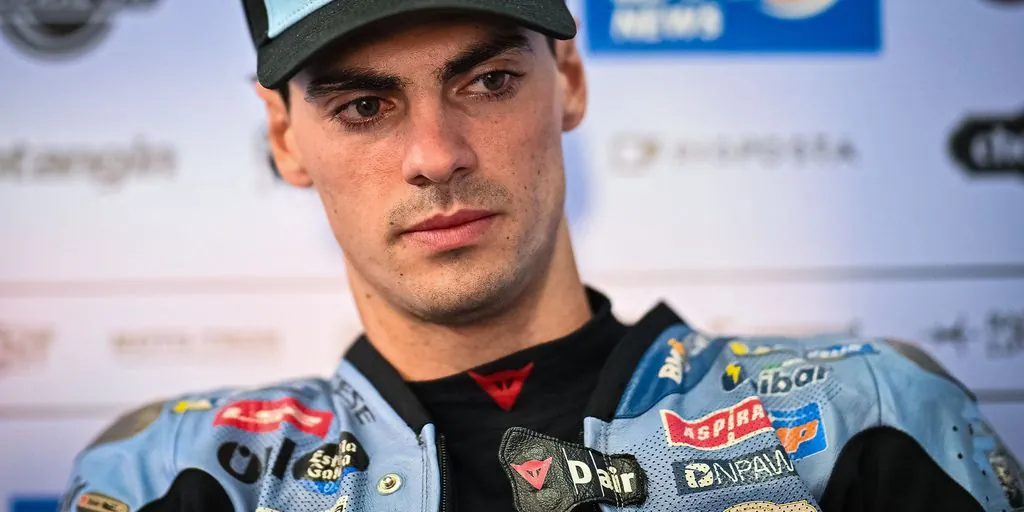
That strategic pivot was highlighted when Fermin Aldeguer Ruled Out of Malaysian GP as Iker Lecuona Deputises at Sepang for Round 19 of the 2026 MotoGP season. Aldeguer remained unavailable while recovering from surgery on a fractured first metacarpal in his right hand suffered in a crash at Mandalika. For Lecuona, who also stepped in at the preceding Australian round, back-to-back appearances offered valuable continuity, yet the squad still faced the tactical task of recalibrating targets away from Aldeguer's podium-contending pace toward consistent data accumulation.
Balancing Long-Run Pace and Sunday Risk
From an operational standpoint, running a stand-in alters how a crew manages race distance and tyre choice. Rather than aggressively pushing edge-grip limits or experimenting with alternative compound options during qualifying simulations, crews often lean toward stable tyre selections that provide predictable feedback over a complete race run.
The broader strategic objective for the team pivots from chasing championship points to mitigating damage, safeguarding hardware, and gathering reliable comparative telemetry until the regular rider can return to full fitness.
Official reference: Aldeguer out of Malaysian GP.
0 comments:
Post a Comment