


Monitoring Infringements from Afar
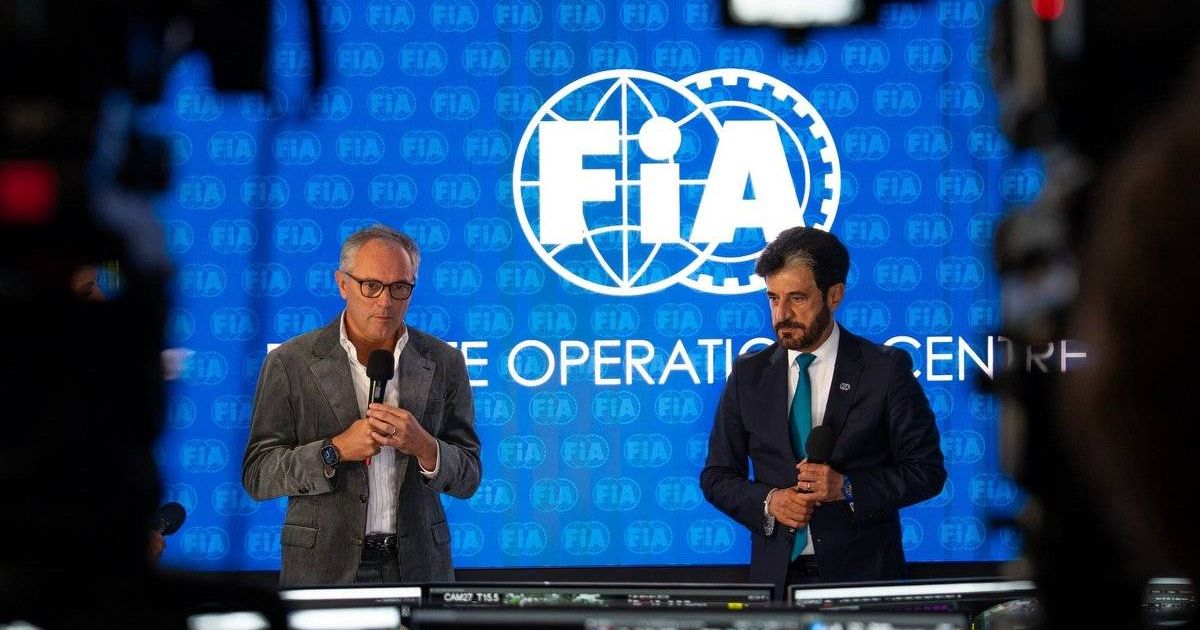
Pit wall strategists constantly calculate time deltas, tire degradation, and track position, but officiating interventions often introduce the biggest variables into a grand prix. During the 2026 season, after entering operation at the Dutch Grand Prix and marking an official ceremony in October, an initiative where the FIA opens new Biggin Hill Remote Operations Centre facilities expanded remote technical monitoring across Formula 1, F2, and F3 race weekends. With capacity for up to 16 remote staff reviewing more than 140 video and audio feeds, car-positioning telemetry, and automated team radio tags, the facility screens potential sporting violations like track limits, jump starts, and pit lane infractions.
The Strategic Impact of Stewarding Delays
For a strategist, the speed and predictability of a penalty decision dictate whether a driver should pit immediately or build a gap on circuit. A five-second penalty served at a scheduled pit stop merely adds stationary box time, whereas a penalty resolved late in a race may force an aggressive push to open a gap against pursuing cars, accelerating tire wear in the process. The FIA notes that automated computer vision tools flag incidents to assist stewards rather than replace human judgment, though the governing body has not released comparative data demonstrating whether decision times have measurably changed.
Managing Track Position Against Penalty Risk
Teams weighing whether to risk an overtaking move close to track boundaries or release a car tightly from a pit box must factor in how quickly investigations are launched. When monitoring systems flag potential pit lane or positional offences promptly, teams gain clearer visibility on whether track position can be legitimately defended or if a counter-strategy must be planned to absorb a time penalty before the chequered flag.
Official reference: FIA's announcement.
0 comments:
Post a Comment